All buildings need regular maintenance to remain in good condition and support the safety of their occupants. Owners and managers should also stay informed about applicable building and safety requirements. Regular maintenance can help identify problems early so they can be assessed and addressed before they worsen.
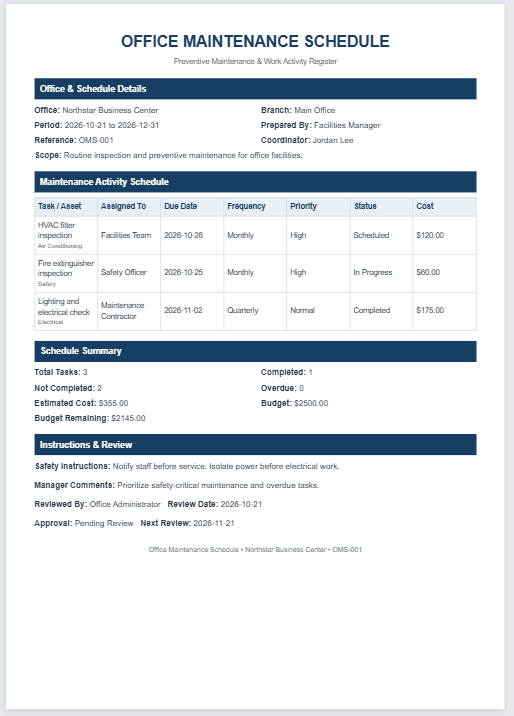
Maintenance activities should follow a clear schedule, with responsibilities assigned and completed work recorded. A building maintenance checklist can help organize this process and reduce the likelihood of overlooking important tasks.
What is a Building Maintenance Checklist?
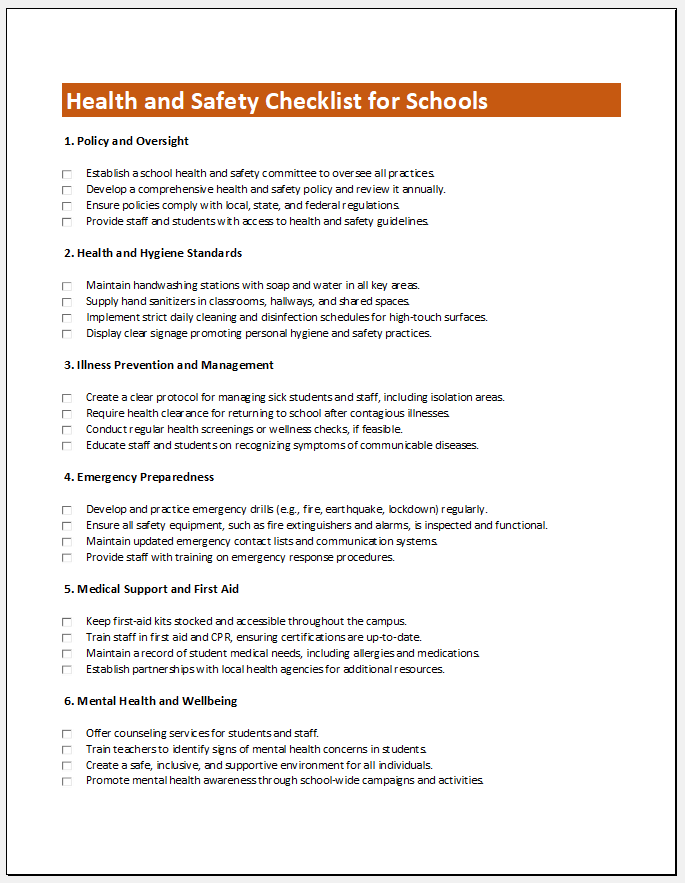
This is a document or spreadsheet that lists maintenance tasks, their schedules, and the people responsible for completing them. The checklist helps owners and managers coordinate the upkeep of a building and monitor its condition.
What Does a Building Maintenance Checklist Do?
The main aim of this document is to organize maintenance work and track its progress. It helps staff identify tasks that are due, distinguish urgent issues from routine work, and see what has already been completed. Assigning responsibilities also makes it easier to coordinate activities and follow up on outstanding work.
(Create your checklist below)
Building Maintenance Checklist
Inspect building areas, assign corrective actions, and track completion.
Building Details
Checklist Items
Add building checks; new records expand and focus automatically.
Planning & Budget
Review & Approval
How to Create a Building Maintenance Checklist?
Neglected maintenance can lead to costly repairs and safety concerns. A practical checklist helps you plan routine work and record issues that need further attention. Consider the following tips when creating one:
Format the Checklist
You can create the checklist in Microsoft Excel or another suitable application. Use a clear heading, such as “Building Maintenance Checklist.” Include the building’s name and address, the organization responsible for maintenance, and the period covered by the checklist.
Identify Maintenance Requirements
Review the building’s features, equipment manuals, previous maintenance records, and inspection findings to identify the work required. Consider applicable requirements and obtain professional advice where specialist assessment is needed.
List each task and determine how often it should be performed. Different activities may require daily, weekly, monthly, seasonal, or annual attention.
Organize Tasks into Sections
Group tasks by building area or system to make the checklist easy to use. Sections may include:
- Plumbing: Faucets, drains, pipes, toilets, and visible signs of leaks.
- Interior: Doors, windows, floors, ceilings, and signs of damage or dampness.
- Exterior: Roofs, gutters, exterior walls, pathways, and drainage.
- Electrical systems: Lighting, outlets, and electrical equipment requiring inspection or servicing.
- Heating and cooling: Filters, ventilation, and scheduled system maintenance.
- Safety equipment: Relevant alarms, emergency lighting, and other safety systems.
Under each section, describe the specific task rather than listing only the item. For example, a door maintenance task might be to check that its handles, hinges, and closing mechanism work properly.
Add columns for frequency, due date, assigned person, completion date, status, and notes. Record any defects and the follow-up action required. For an annual checklist, monthly columns can be useful for tasks that recur each month.
Support Building Safety and Long-Term Upkeep
A checklist provides a consistent way to plan inspections, track maintenance, and document repairs. Identifying and addressing problems early can help reduce deterioration, disruption, and the likelihood of more expensive work later.
The checklist is most useful when it is kept up to date and identified problems are followed through to resolution. Completing a checklist alone does not establish that a building is safe; the work must be carried out properly, with qualified professionals involved where necessary.
Regular maintenance, supported by clear records and timely action, helps keep the building functional and in good condition for the people who use it.

File: Excel (.xlsx) and iPad
Size 60 KB

File: Excel (.xlsx) and iPad
Size 60 KB

File: Excel (.xlsx) and iPad
Size 60 KB