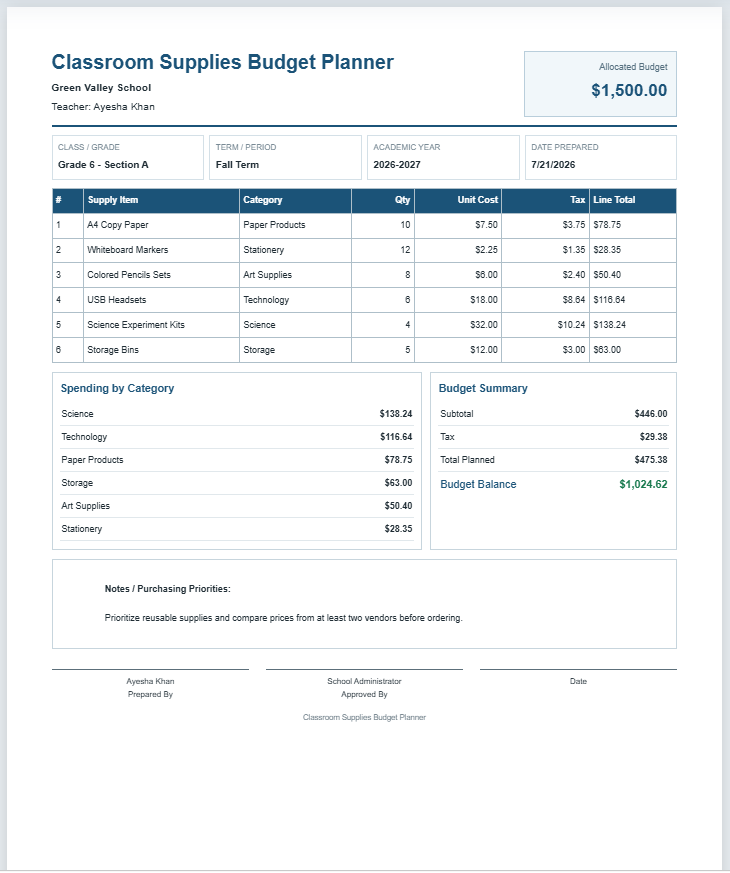
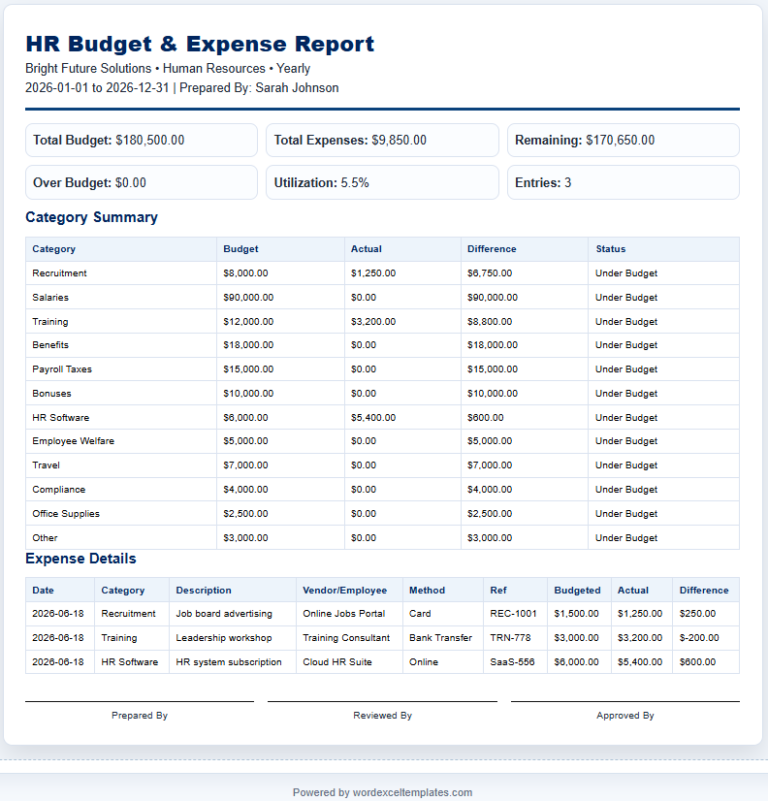
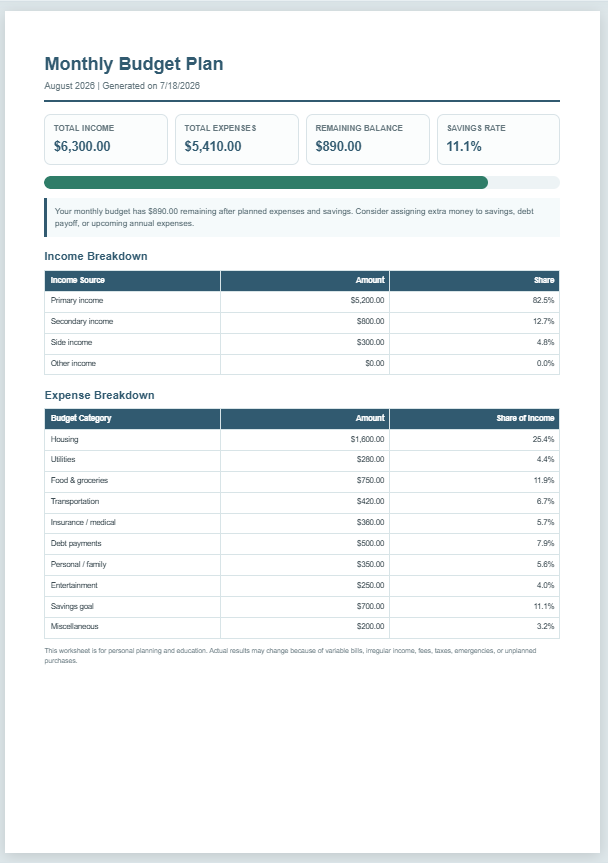
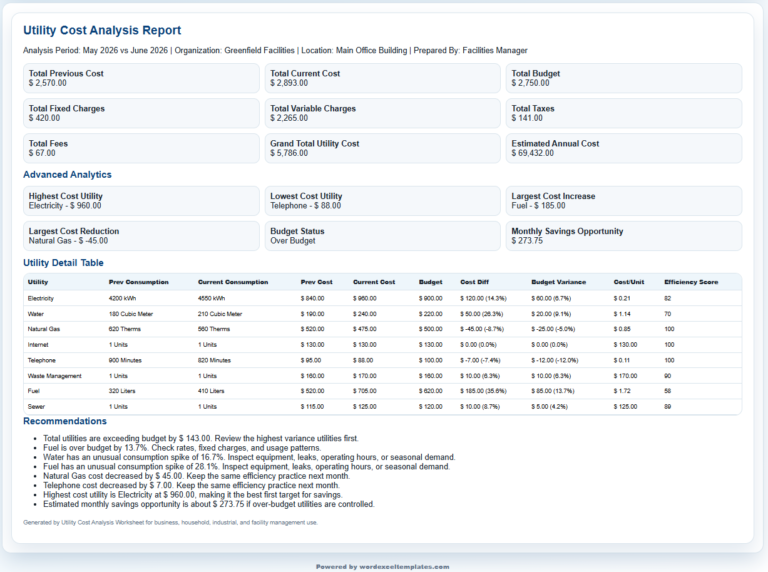
Students often require a variety of supplies and learning materials throughout the academic year so that teachers can effectively deliver lessons and complete the course syllabus. These materials may include textbooks, notebooks, stationery items, art supplies, lab materials, printing resources, and digital learning tools. Without the proper supplies, students may struggle to participate actively in classroom activities or keep up with assignments and lessons. To manage these educational costs efficiently, schools and parents can use an Expense Sheet for Supplies & Learning Materials.
An Expense Sheet for Supplies & Learning Materials is a useful document that records and tracks expenses related to educational supplies, books, classroom materials, and other academic resources. It helps students, parents, teachers, and school administrators stay informed about the required items and their associated costs. By organizing this information properly, the sheet promotes transparency and ensures that everyone involved understands how much money is being spent on educational materials.
Why Is the Expense Sheet Important?
This sheet is especially important because educational expenses can quickly increase during a school term. Students often need different materials for different subjects, projects, extracurricular activities, and examinations. By maintaining a proper expense sheet, schools and families can monitor spending, plan budgets effectively, and avoid unnecessary or duplicate purchases. It also helps ensure that students receive all the materials they need without confusion or delays.
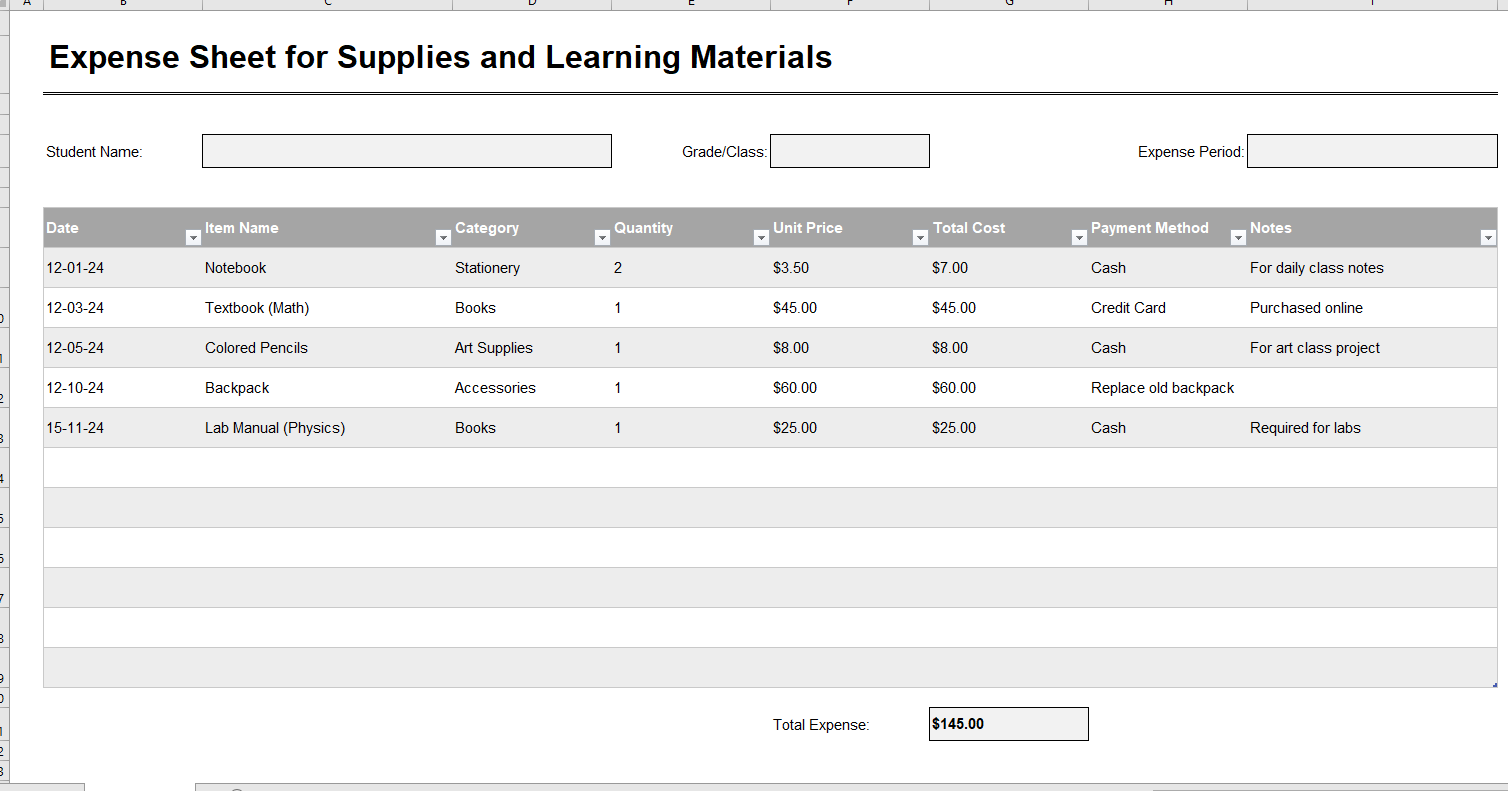
Typically, the sheet records important student information such as the student’s name, class, section, roll number, academic year, and the term or semester the sheet covers. It then lists the required supplies and learning materials along with details such as quantity, unit cost, total amount, payment status, and remarks. Some schools may also include approval signatures or guardian acknowledgments to maintain proper records.
Advantages of an Expense Sheet for Supplies & Learning Materials
The following are some important advantages of using an Expense Sheet for Supplies & Learning Materials:
- The sheet provides a clear and organized record of all required books, supplies, and learning materials.
- Students, parents, and school management remain informed about educational expenses throughout the academic term.
- The document helps schools maintain transparency regarding charges for classroom materials and academic resources.
- Parents and guardians can estimate and manage educational budgets more effectively.
- The sheet reduces the chances of missing important learning materials needed for coursework and classroom activities.
- It allows schools to standardize supply requirements for all students within the same class or grade level.
- The expense sheet can serve as a financial reference for future academic planning and budgeting.
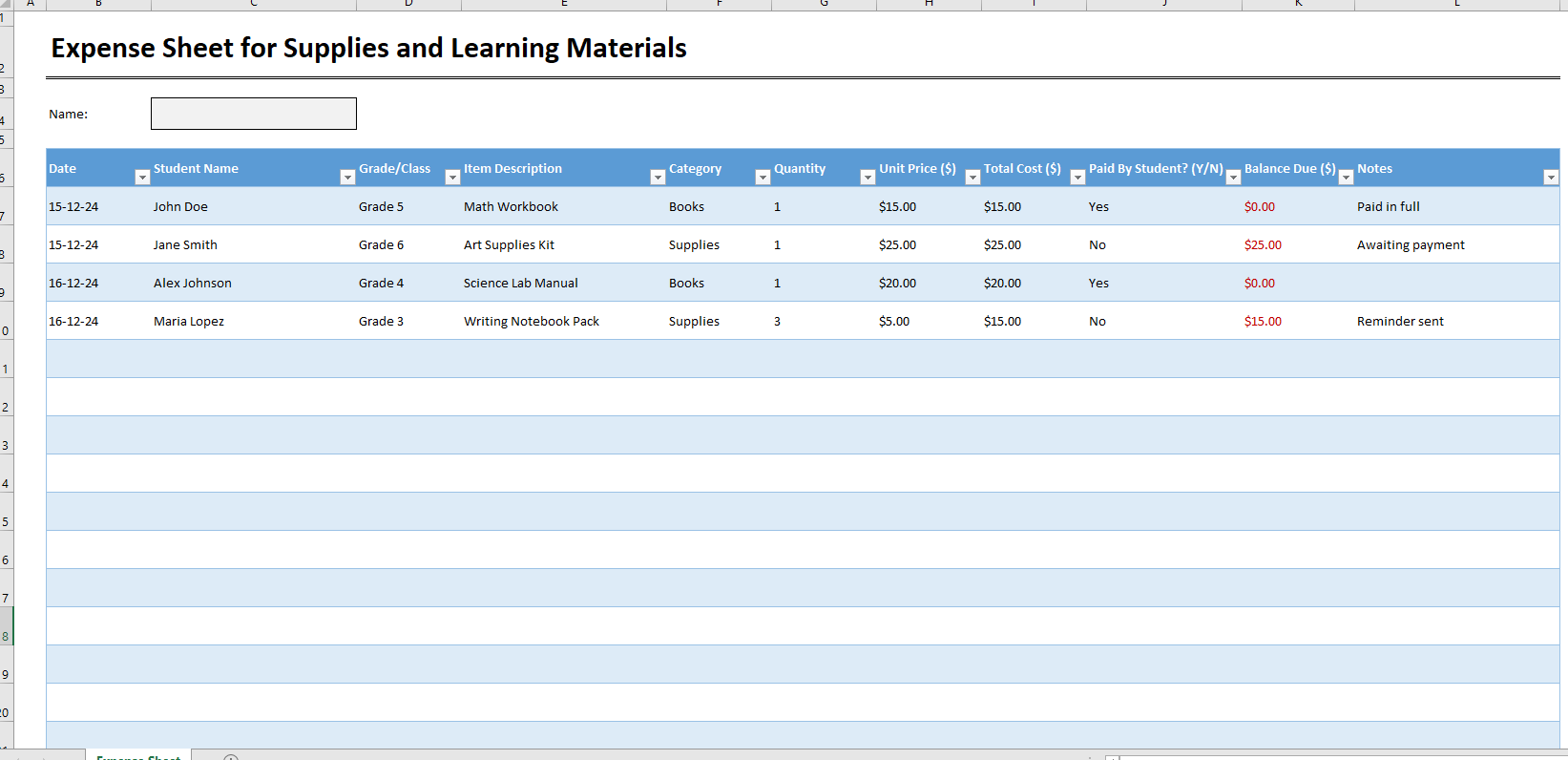
- Schools can easily monitor pending payments and completed purchases.
Limitations of the Expense Sheet
Despite its usefulness, the sheet may also have some limitations if it is not prepared carefully:
- The sheet must be updated regularly to remain accurate and reliable.
- Missing or incomplete information can create confusion regarding expenses and payments.
- Prices of supplies and books may change during the academic year, requiring adjustments to the document.
- Some students may require additional or specialized learning materials that are not initially listed.
- If the format is too complicated, parents or students may find it difficult to understand.
How to Make an Expense Sheet for Supplies & Learning Materials
The following points can help you create a professional and effective expense sheet:
1. Choose a Clear and Simple Format
Begin the sheet with a suitable title such as “Expense Sheet for Supplies & Learning Materials.” Use a clean and organized layout that is easy to read. Include basic information such as the student’s name, class, section, academic session, and reporting period. A professional structure improves readability and helps users quickly understand the document.
2. Create a Detailed Table
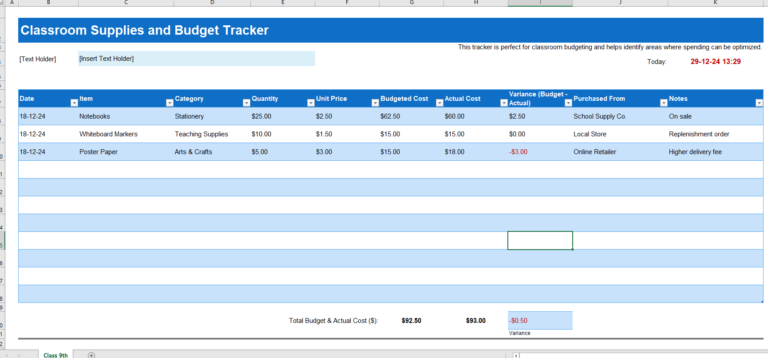
The main section of the sheet should include a table for recording supplies and learning materials. You can organize items into categories such as:
- Textbooks and Workbooks
- Stationery Supplies
- Art and Craft Materials
- Laboratory Supplies
- Technology or Digital Learning Tools
- Sports or Activity Materials
The table may contain the following columns:
- Item Description
- Quantity
- Unit Cost
- Total Cost
- Purchase Date
- Payment Status
- Remarks
Including totals at the bottom of the table makes it easier to calculate the overall expenses.
3. Include Cost Calculations
Using formulas in spreadsheet software like Microsoft Excel or Google Sheets can make calculations automatic and reduce errors. For example, multiplying quantity by unit cost can instantly calculate total cost for each item. A grand total section can summarize all expenses for the reporting period.
4. Keep the Sheet Flexible
Educational needs may change during the school year. Therefore, the sheet should allow adjustments for newly added materials, replacement supplies, or updated prices. A flexible format helps maintain accuracy without needing to redesign the entire document.
5. Avoid Unnecessary Information
Only include details that are relevant to tracking supplies and expenses. Too much unnecessary information can make the sheet cluttered and confusing. Keeping the design simple and focused improves usability for students, parents, and school staff.
6. Review and Update Regularly
The expense sheet should be reviewed periodically to ensure that all expenses are properly recorded. Updating the document regularly helps avoid missing entries and ensures accurate budgeting throughout the academic year.
About Our Templates
An Expense Sheet for Supplies & Learning Materials is a practical and organized tool that helps schools and families manage educational expenses efficiently. It improves financial transparency, supports better budgeting, and ensures that students have access to the materials they need for successful learning. With a well-designed expense sheet, students can focus more on their studies while parents and schools can confidently manage academic supply costs.
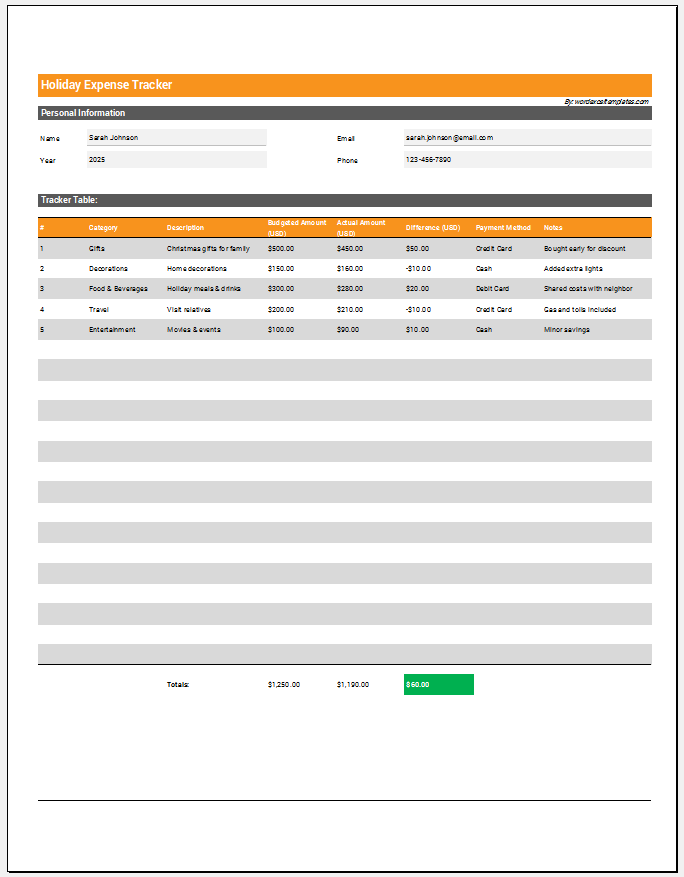
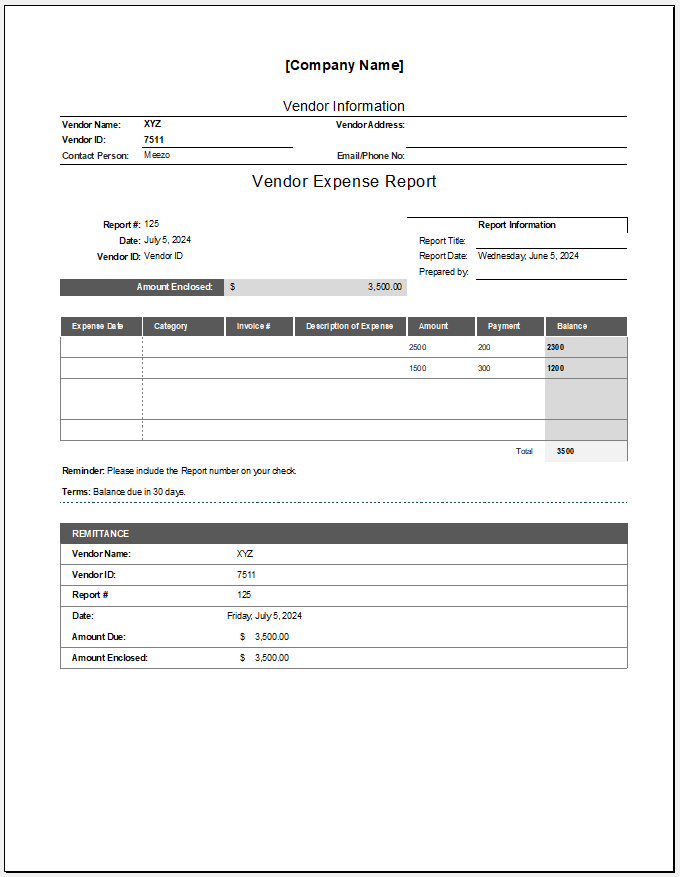
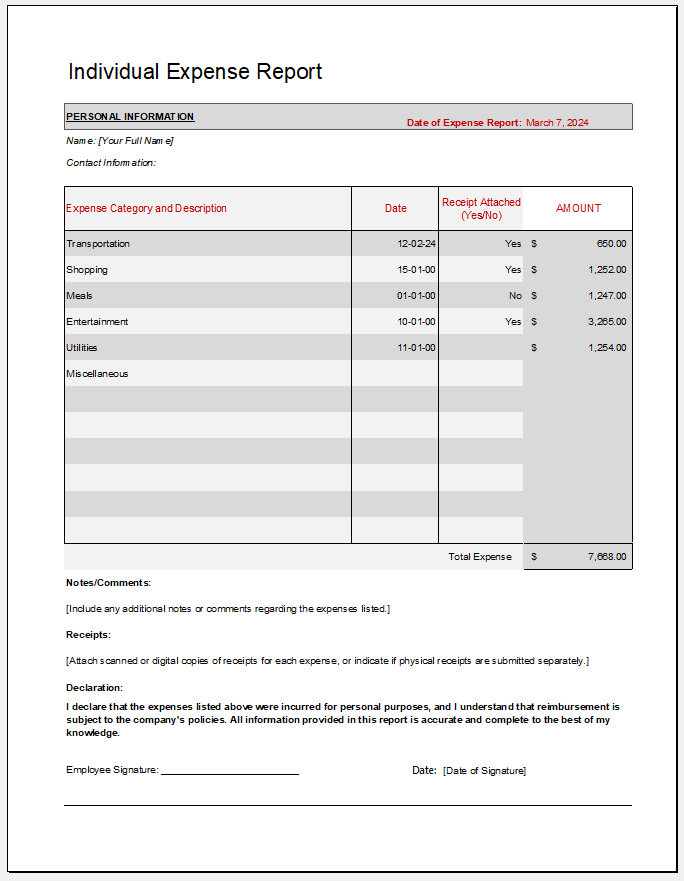
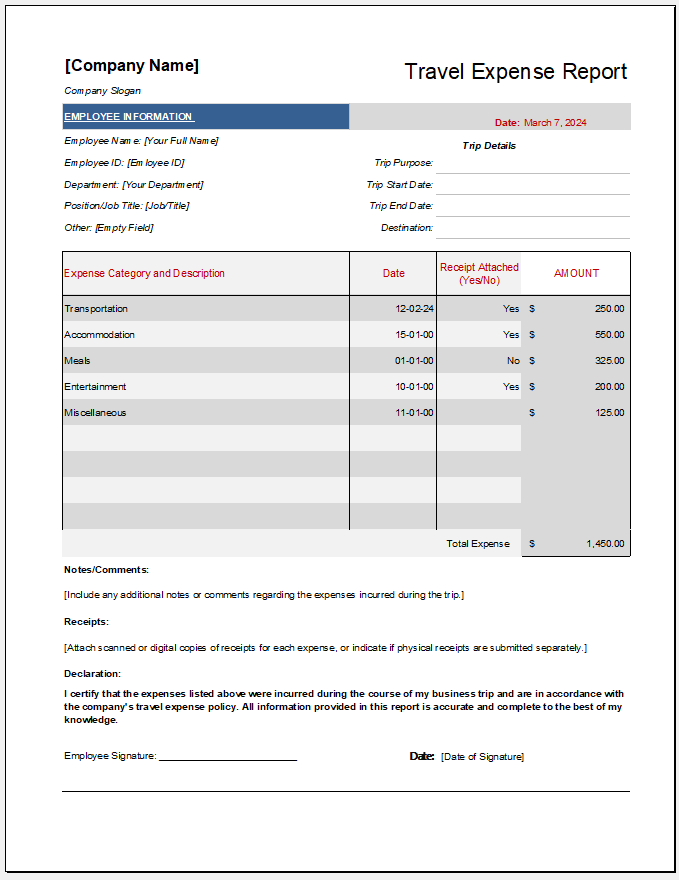
The templates created by your team provide a user-friendly way to record educational expenses for both students and schools. The student expense sheet helps parents and guardians track individual student supply costs, while the school supply sheet allows educational institutions to monitor classroom or departmental material expenses in an organized manner. Both templates promote accurate recordkeeping, improve expense management, and make budgeting for learning materials much easier.
- Student Planner Generator
- Hall Pass Generator
- Seating Arrangement Generator
- Parent-Teacher Communication Log
- Behavior and Discipline Log
- Individualized Education Program (IEP) Tracker
- Student Skills Tracking Sheet
- Classroom Inventory
- Professional Development Tracker Template
- Field Trip Planner and Roster
- Student Roster and Information Sheet
- Tutoring & Support Services Log
- School Fees and Payments Tracker
- Scholarship and Financial Aid Tracker
- Teacher Performance Evaluation Tracker